
Building the Infrastructure for the Quantum Era.
Explore the evolving world of quantum computing through advanced hardware, computing infrastructure and next-generation technology. Y2Q Secure focuses on the technologies and infrastructure supporting the future of quantum innovation.
Exploring the Next Frontier of Computing
Quantum computing is an emerging field that uses the principles of quantum mechanics to process information differently from conventional computers. It opens new possibilities for exploring complex computational challenges and advancing scientific discovery.
Quantum Bits (Qubits)
Quantum computers use qubits instead of classical bits. Qubits operate according to quantum principles such as superposition and entanglement.
Specialised Hardware
Quantum systems depend on specialised processors, control electronics, precise measurement systems and carefully managed operating environments.
New Computing Possibilities
Quantum computing is being explored for selected challenges in scientific simulation, material discovery and complex optimisation.
The future of quantum computing depends on more than processors. It requires the right hardware, infrastructure and technologies working together.
Exploring the Core of Quantum Technology
Quantum computing environments bring together specialised hardware, precision control systems and advanced computing infrastructure. Explore the key technology areas shaping this ecosystem.
Quantum Hardware
Explore quantum processors, qubit technologies and the specialised components used in quantum computing systems.
Explore Hardware →Quantum Control Systems
Understand the control electronics, signal generation and measurement technologies involved in operating quantum processors.
Explore Control Systems →Quantum Infrastructure
Discover the supporting environment, including cryogenic cooling, power, environmental controls and system integration.
Explore Infrastructure →Hybrid Computing
Explore how quantum processors can work alongside classical computing resources in hybrid computing environments.
Explore Hybrid Computing →Quantum technology is an ecosystem. Its progress depends on the integration of multiple specialised technologies.
The Infrastructure Behind Quantum Computing
A quantum computing environment brings together multiple specialised technologies. From quantum processors to control electronics and classical computing resources, every component plays an important role in the overall system.
Quantum Processing Layer
The quantum processing unit contains qubits that perform quantum operations and form the core of a quantum computer.
Control & Measurement Layer
Control electronics and measurement systems help operate, manipulate and read information from quantum processors.
Supporting Environment
Depending on the quantum technology, supporting systems may include cryogenic cooling, vacuum equipment, shielding and specialised power systems.
Classical Computing & Software
Classical computing resources support quantum circuit development, job orchestration, data processing and hybrid quantum-classical workflows.
Important: Quantum computing architectures differ by technology. Not every quantum processor uses the same cooling, control or environmental requirements.
Where Could Quantum Computing Make an Impact?
Quantum computing is being explored for complex problems across science, engineering and industry. Its potential applications may complement conventional high-performance computing in specialised workloads.
Scientific Simulation
Explore how quantum systems could help researchers model complex physical and chemical processes.
Material Discovery
Investigate potential approaches to understanding molecular behaviour and developing advanced materials.
Complex Optimisation
Study emerging quantum approaches to selected scheduling, routing and resource-allocation problems.
Drug Research
Explore quantum chemistry and molecular simulation techniques being investigated for pharmaceutical research.
Financial Modelling
Examine potential applications in specialised areas such as portfolio optimisation and risk analysis.
Advanced Research
Support exploration across emerging computing methods, scientific research and next-generation technologies.
Building a Foundation for the Quantum Era
Understanding quantum computing requires more than awareness of processors. It also means understanding the infrastructure, control technologies and computing environments that support this evolving field.
Infrastructure-Focused Perspective
Explore the hardware, control systems, cooling requirements and supporting technologies that form quantum computing environments.
Emerging Technology Awareness
Follow developments in quantum hardware, hybrid computing and the technologies shaping next-generation computing.
Enterprise Infrastructure Context
Understand how advanced computing concepts relate to enterprise infrastructure and conventional high-performance computing environments.
Backed by Vays Infotech
Y2Q Secure is a Vays Infotech company, connecting its quantum technology focus with a broader enterprise technology background.
A Vays Infotech Brand
Discover Vays Infotech and its broader enterprise technology focus.
Insights into the Quantum Era
Explore the concepts, infrastructure and emerging technologies shaping quantum computing. Build a clearer understanding of this evolving field through focused learning resources.
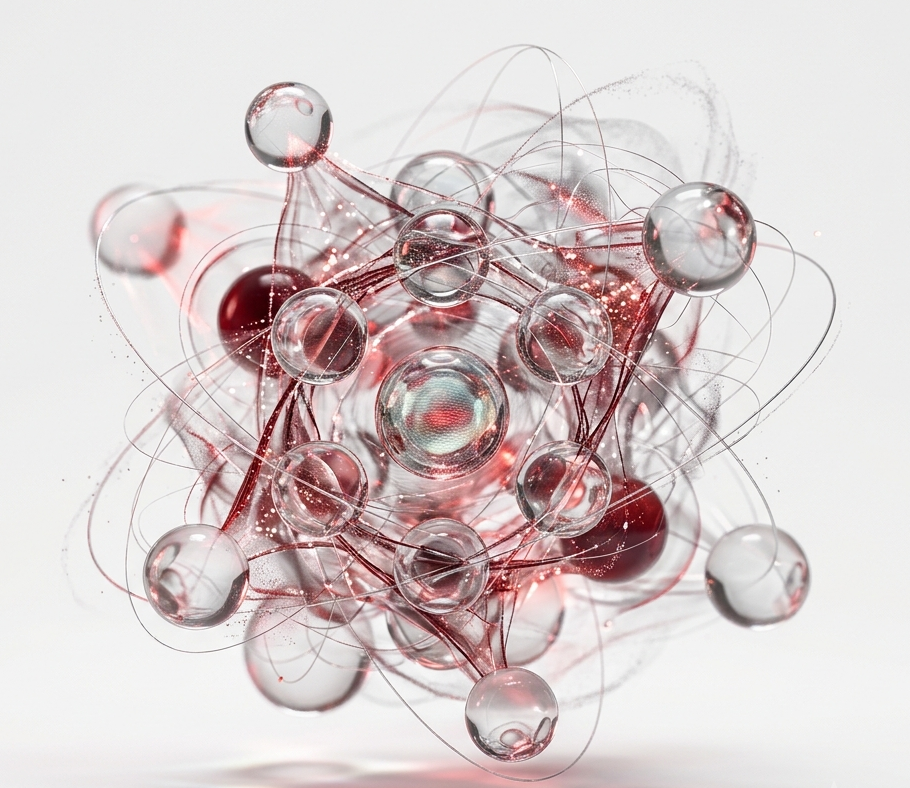
Understanding Quantum Computing
Learn about qubits, quantum principles and how quantum computing differs from classical computing.
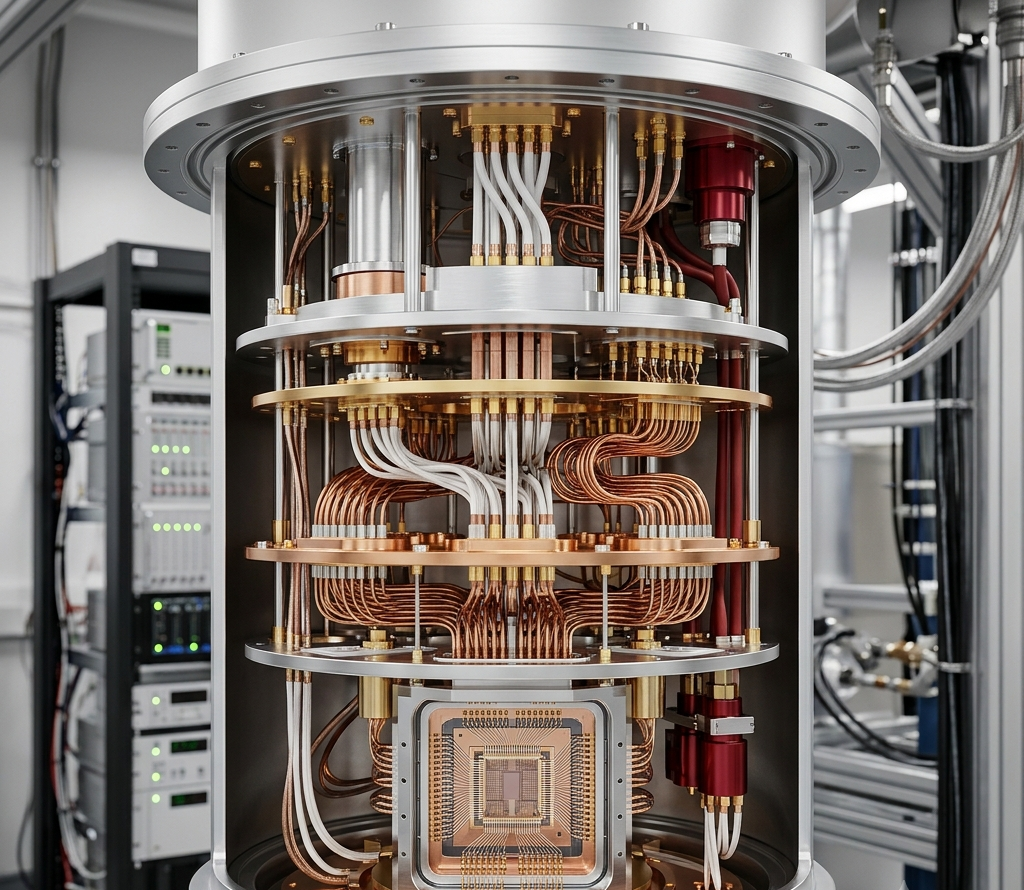
Inside Quantum Computing Systems
Explore quantum processors, control electronics, cooling systems and supporting infrastructure.
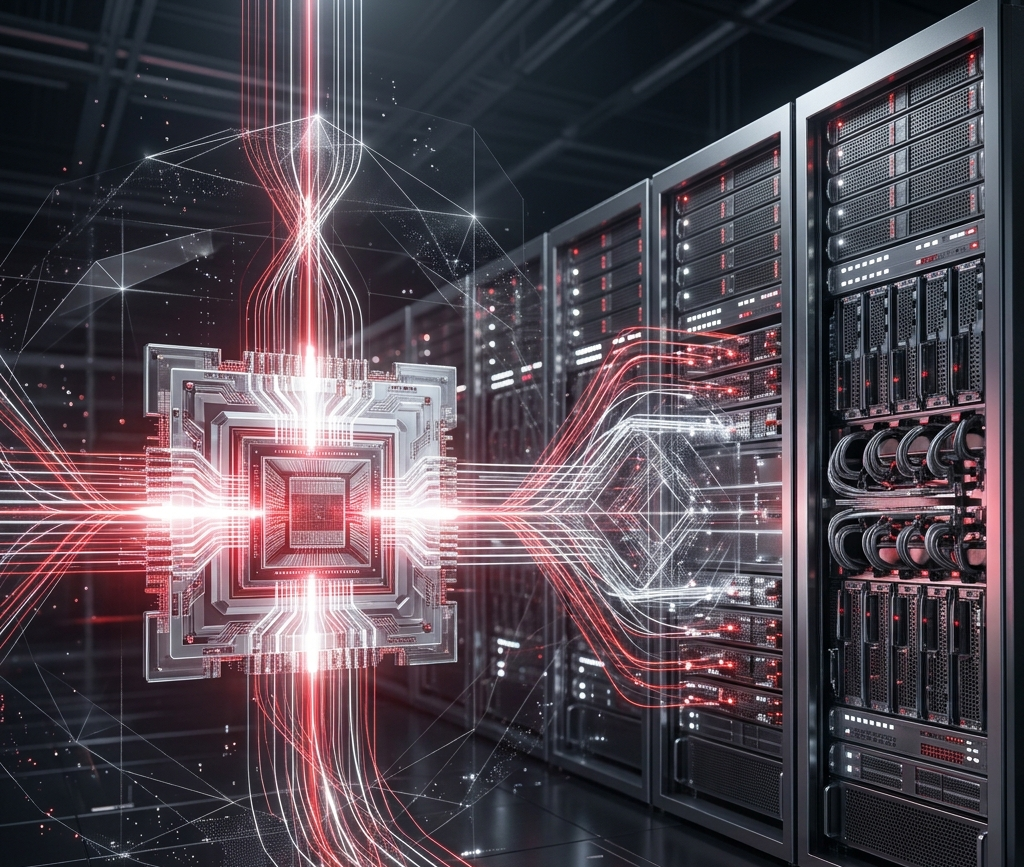
The Future of Advanced Computing
Discover developments in hybrid computing, high-performance computing and quantum technology.
Interested in quantum computing hardware and infrastructure? Connect with our team to start a conversation.
Contact Our Team →Building the Foundation for Quantum Computing Innovation
Explore the evolving world of quantum computing with Y2Q Secure. Connect with our team to discuss quantum hardware, computing infrastructure and the technologies shaping next-generation computing.
Discuss Your Requirements →